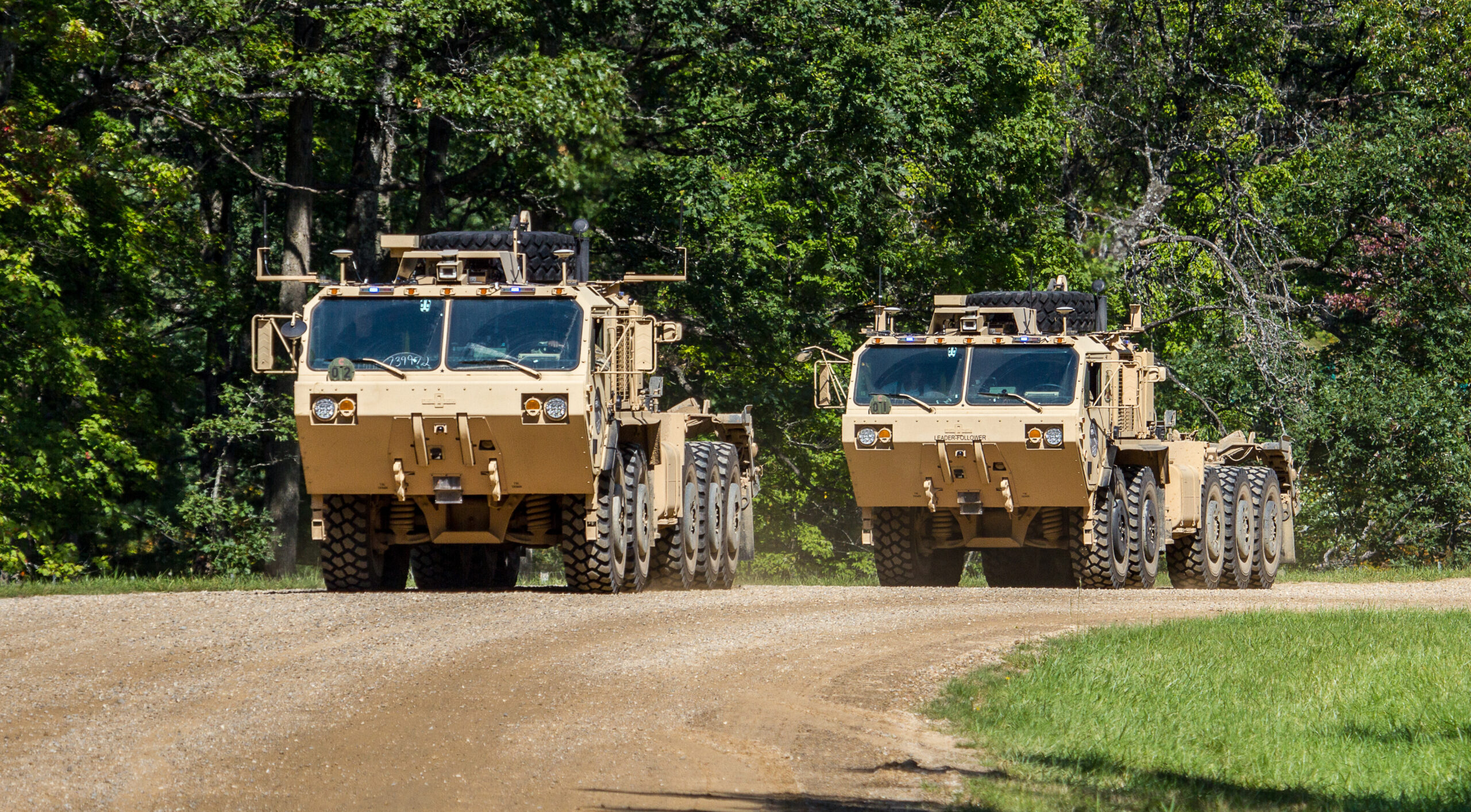
Army picks Carnegie, Forterra for autonomous logistics truck prototyping
DIU and the service want to make a final downselect by mid-2026 but ongoing budget uncertainty could derail that plan, says Maj Gen Michelle Donahue.
DIU and the service want to make a final downselect by mid-2026 but ongoing budget uncertainty could derail that plan, says Maj Gen Michelle Donahue.
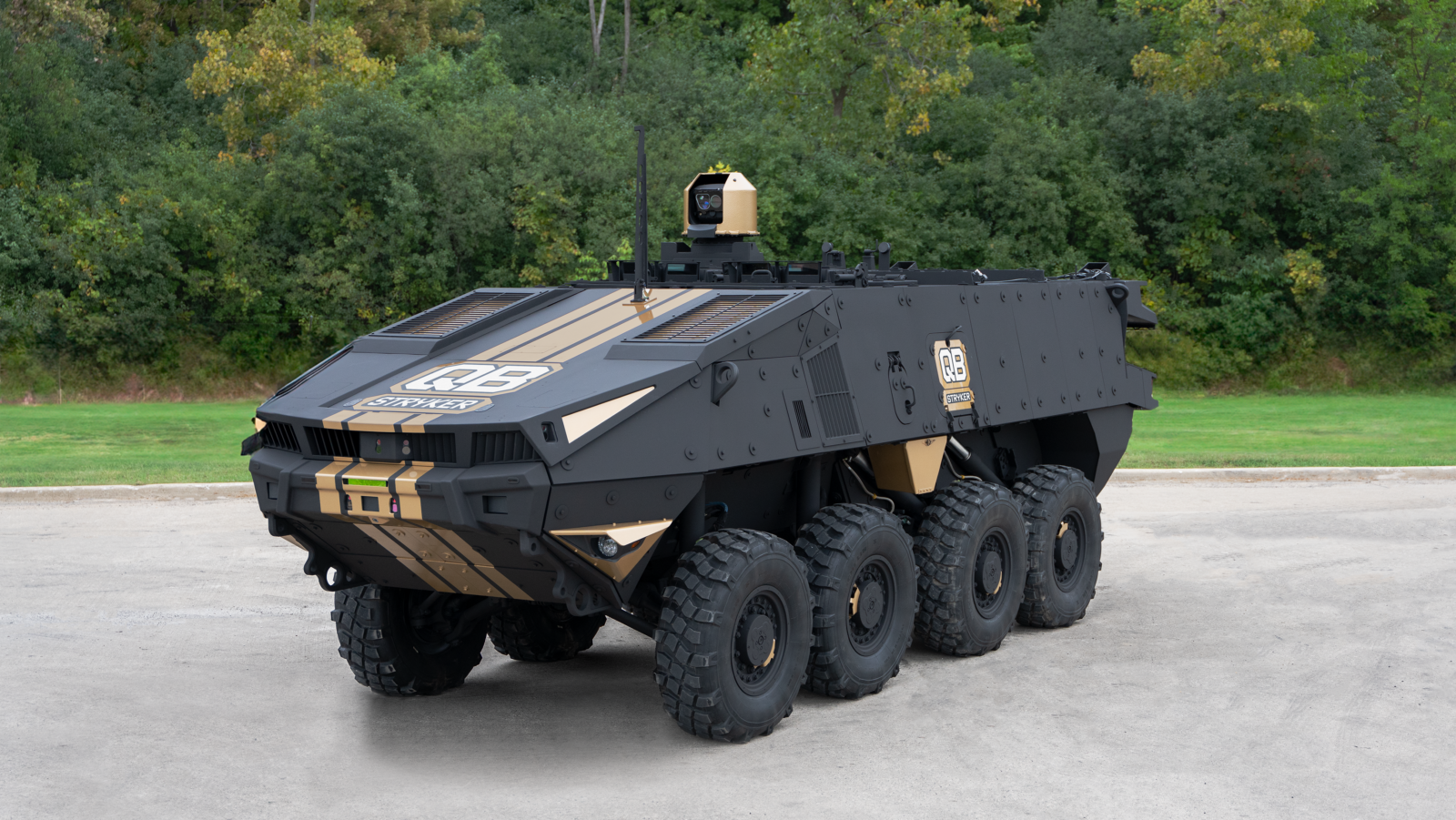
"What's in a name? A quarterback of the battlefield is what we're trying to portray or visualize," Scott Taylor, the GDLS director of US business development, told Breaking Defense.


Manufacturing scale, global sustainment, and next-gen tech are becoming inseparable.
Although the service has awarded contracts to wind down leader-follower development and give the experimental trucks back to soldiers, a separate office has launched a prototyping competition.
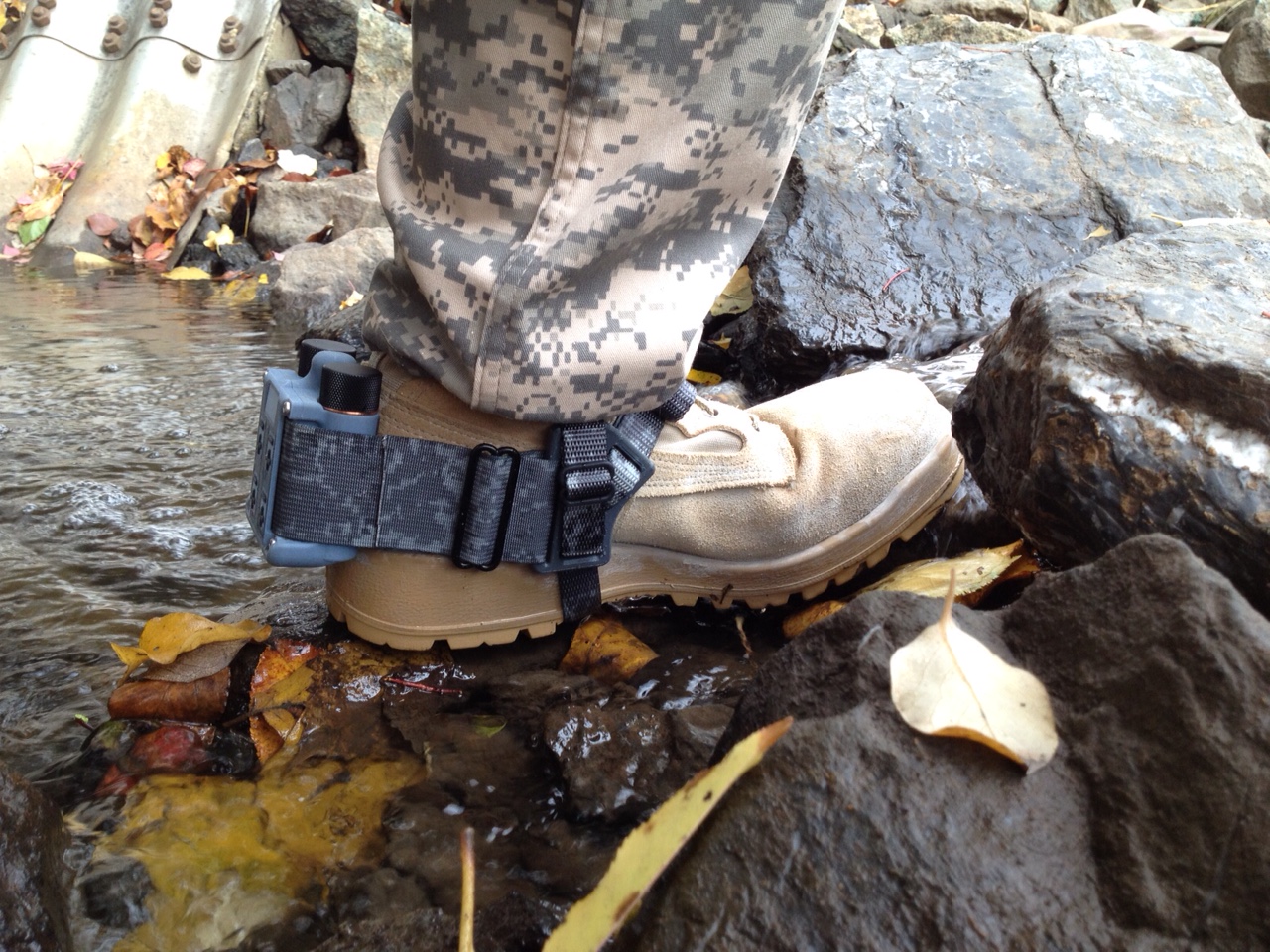
The “warfighter localization sensor” from Robotic Research pinpoints your location, and you comrades’, without relying on satellite uplinks or static beacons. The secret’s in the network.
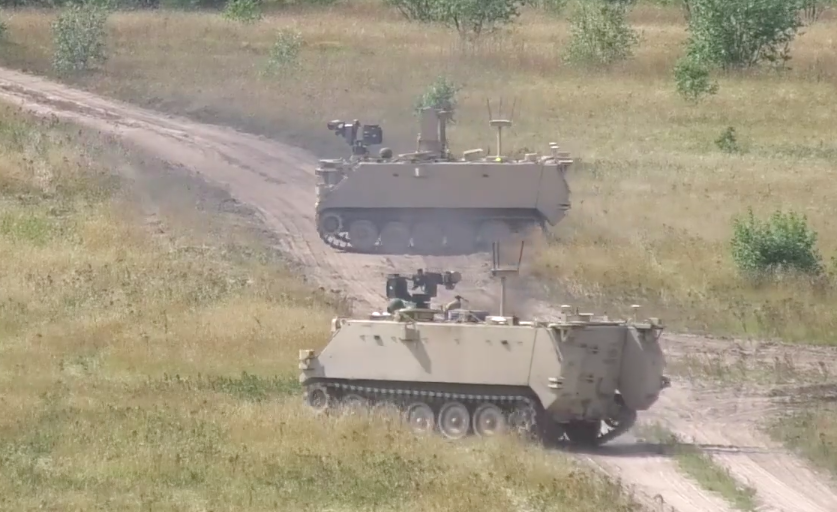
The US Army is field-testing a robot brain so versatile it can drive both tanks and trucks — even British Army lorries with the steering wheel on the wrong side.

Don't think about the Terminator or Iron Man: Think about Sigourney Weaver's power loader lifting crates in Aliens.
AI is reshaping the Army’s approach to cyber, electronic warfare and command and control. At TechNet Augusta 2026, leaders outlined how they’re turning emerging technology into capabilities for the battlefield.

The Google Car and Tesla Autopilot have blazed a trail for the future Army. Both robotics technology and Army thinking have come a long way since 2009, when Defense Secretary Bob Gates cancelled the massive Future Combat Systems program. Where FCS tried to invent new technology on a schedule for 19 different manned and unmanned […]
The Army is ready for unmanned vehicles but not yet for a completely unmanned convoy. The 2020 iteration is called Expedient Leader-Follower because the Army still wants a human soldier driving the lead vehicle, with up to nine autonomous trucks following in its trail. But Oshkosh and Robotic Research told me they could take the humans out altogether, if the Army wanted.
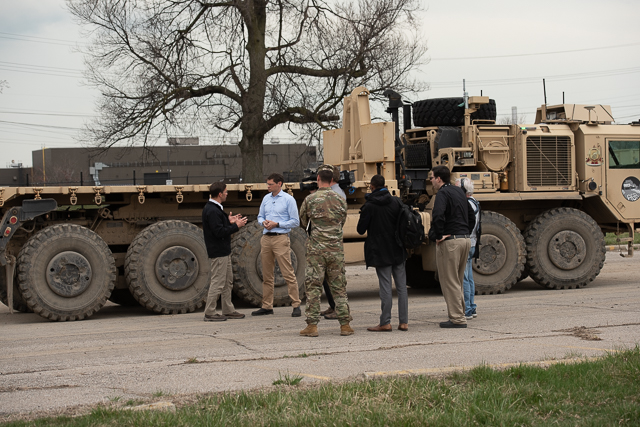
“If you look back at the Iraq war, one of the most dangerous duties was driving, riding in a convoy between Kuwait City and Baghdad. We lost many, many soldiers, too many soldiers, to IED (roadside bomb) attacks, other attacks on convoys," Esper said. "I could’ve reduced that vulnerability, that sacrifice, (with) unmanned convoys or convoys that were manned by (only) a couple of soldiers.”
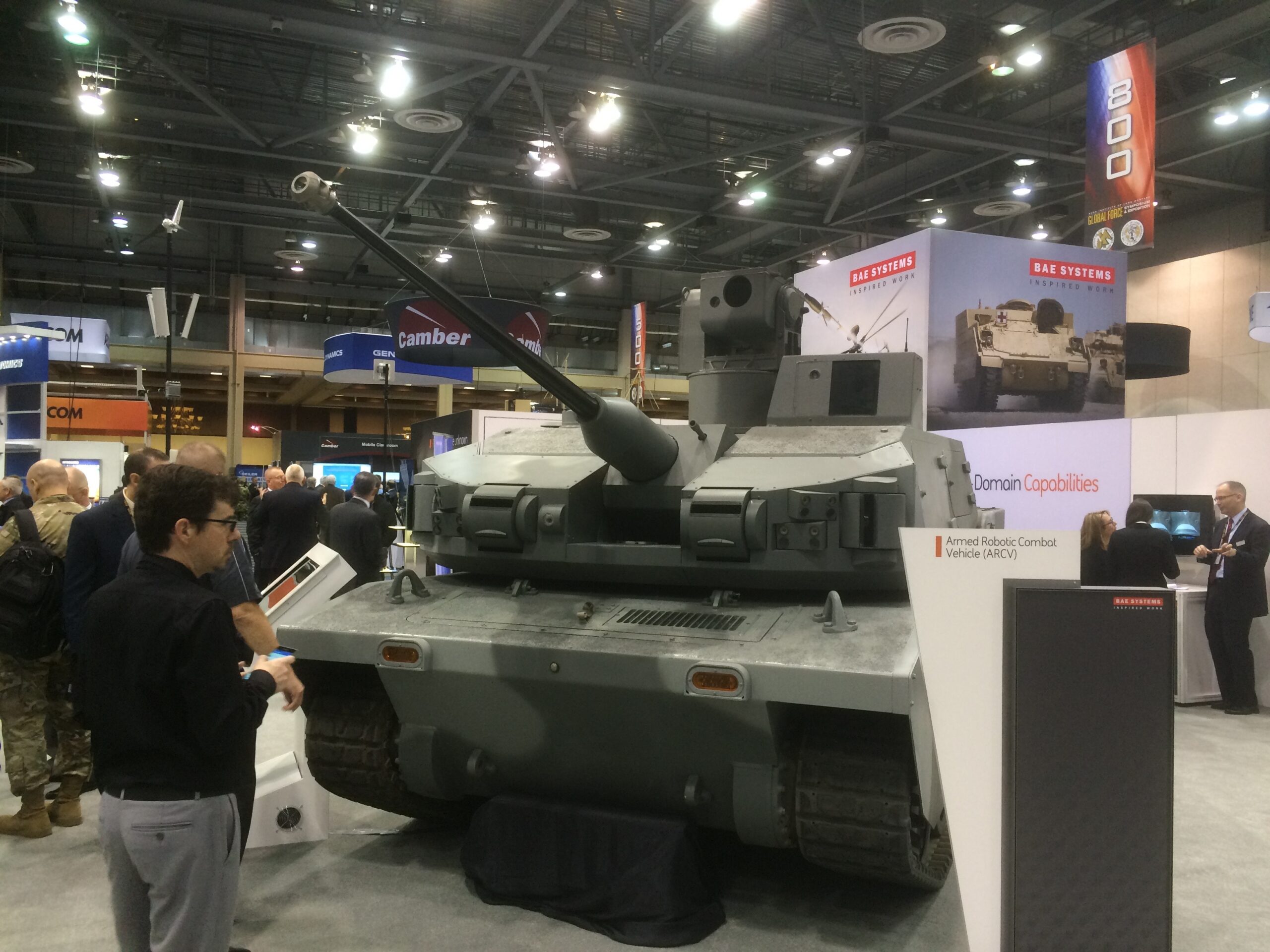
AUSA: American military leaders talk how artificial intelligence will change the face of war, but the unmanned ground vehicles (UGVs) actually in development are much more modest and less lethal. They’re mostly small, mostly unarmed, and fall short not only of Pentagon visions of future warfare, but of the tank-like machines the Russians are experimenting with today. […]

Explore how software, edge AI and resilient connectivity can strengthen military logistics in contested environments. Join Breaking Defense on Oct. 21 and earn 1 CPE credit.